How Anxiety Affects Relationships and Work: Understanding and Managing Anxiety
Anxiety is something most of us have experienced at different points in our lives. We may feel anxious before an important meeting, during a difficult conversation, or when we are uncertain about what the future holds.
In small amounts, anxiety can be a normal response to stressful or uncertain situations. In fact, some anxiety can be helpful. For example, feeling a little nervous before an exam or a job interview is a natural response to uncertainty. That nervousness may motivate us to study, prepare, and think carefully about what we want to say. However, when anxiety becomes frequent, intense, or overwhelming, it can begin to affect important areas of our lives, such as our relationships, work, sleep, and everyday activities.
Many times, we become so accustomed to feeling anxious that we may not even realize how much anxiety is influencing the way we interact with the people around us or approach our responsibilities at work. We may simply notice that we are becoming more withdrawn, irritable, overwhelmed, or unable to concentrate.
What is Anxiety?
Anxiety is more than just worrying. Worry is a feeling of unease, fear, or nervousness when thinking about unpleasant situations. It is a type of thinking often about something that might happen in the future, leaving you feeling frightened, anxious, or nervous. Some people call it anxiety, worry, or stress. Everybody experiences fears; however, if you are starting to worry more often or can’t stop thinking about your worries, leaving you feeling upset, you may be experiencing anxiety. The distress from anxiety often interferes with a person’s ability to lead everyday life. For example, they often feel very nervous about the potential dangers of what could or might happen in certain situations, leaving them feeling constant fear, frozen with fear, stressed, and overwhelmed.
Let’s Consider A Simple Example.
Imagine that you send a message to a close friend, and they do not respond for several hours. You may initially think that they are busy. But if you are already feeling anxious, your mind may begin to fill in the gaps. You might start wondering, “Did I do something wrong? Are they upset with me?” or maybe they don’t want to talk to me anymore.
Before you know it, you may find yourself repeatedly checking your phone, feeling upset, or deciding to withdraw from the person altogether.
The interesting thing is that nothing may have actually happened. Your friend may simply have been busy.
This is one of the ways anxiety can affect our relationships. Anxiety can make uncertainty feel much harder to tolerate. When we do not know what someone is thinking or what is going to happen, our minds may try to create an explanation, and that explanation is not always a helpful one.
How does Anxiety Affect Relationships?
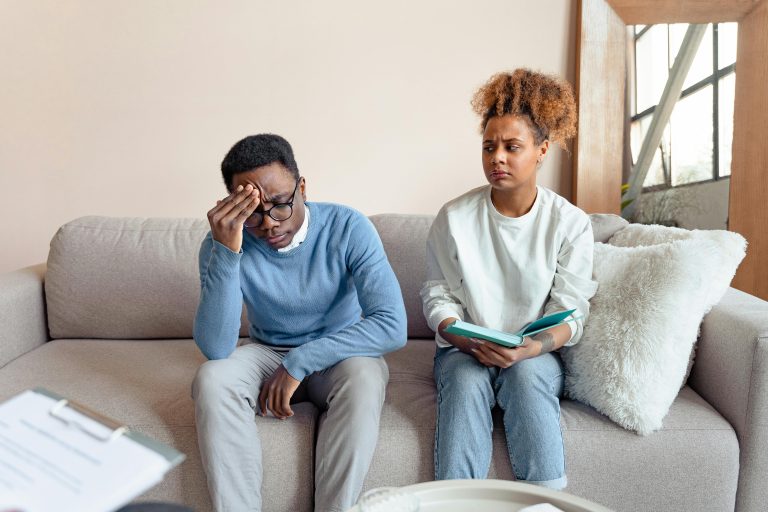
Relationships require communication, trust, vulnerability, and the ability to tolerate some degree of uncertainty. Anxiety can sometimes make each of these things more difficult. For example, someone experiencing anxiety may worry excessively about whether their partner, friend, or family member is upset with them. They may repeatedly seek reassurance or spend a significant amount of time analyzing conversations. They may think about what someone said, how they said it, what their facial expression looked like, or what they might have meant.
Anxiety can also lead to avoidance. If we are worried about conflict, rejection, criticism, or disappointing someone, we may choose not to express how we really feel. We might say that everything is fine when it isn’t, simply because having the conversation feels too uncomfortable. Over time, avoiding difficult conversations can create distance in relationships.
It is important to remember that experiencing anxiety does not mean that someone does not care about their relationships. Sometimes, the opposite can be true. A person may worry so much precisely because the relationship is deeply important to them. The difficulty arises when anxiety begins to influence how we communicate, interpret situations, and respond to the people we care about.
How does Anxiety Affect Work Performance?
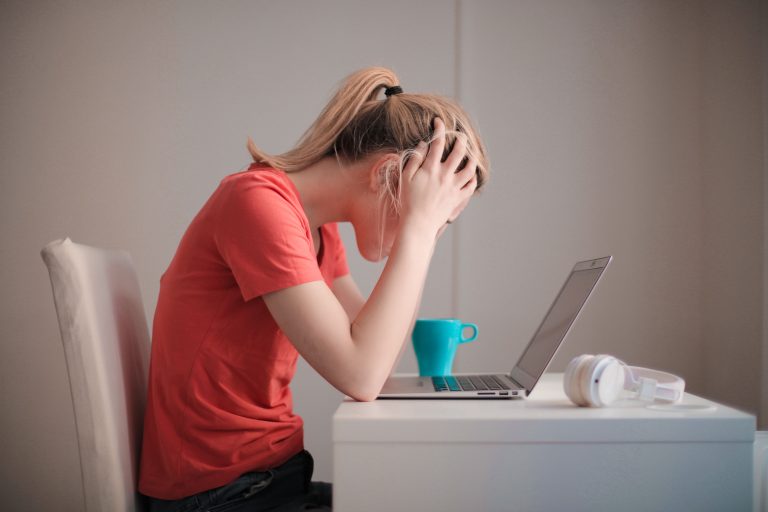
Anxiety not only affects our personal relationships but also work. It can influence our ability to be confident, concentrate, and be productive at work. Our workplace can often involve responsibilities, deadlines, giving presentations, meetings, feedback, and interactions with people. For someone experiencing anxiety, they can sometimes feel these processes are much more demanding. For example, sending an email can take hours because the anxiety often leads to overthinking and making sure the email is well-written.
Sometimes anxiety at work can also lead to procrastination. This does not necessarily mean that one is lazy or unmotivated. Sometimes, avoiding a task provides temporary relief from anxiety. For example, if you have an important presentation coming up at work. Every time you think about preparing for it, you feel nervous. Hence, you decide to check your phone for a few minutes instead. For those few minutes, the anxiety decreases.
The problem is that the presentation has not disappeared. When you eventually return to it, there may be even less time available to prepare. You may then feel even more anxious, which can make you want to avoid the task again. This can create a cycle: Anxiety- avoidance- temporary relief – increased pressure- more anxiety. Recognizing this cycle can be an important first step in changing it.
Understanding the Wave of Anxiety
A “wave of anxiety” is when someone suddenly feels very worried and scared. It’s like a strong feeling of fear that comes out of nowhere. This can make your heart race, make it hard to breathe, and make you feel really restless and afraid. These feelings can happen because of stress, bad experiences, or even just thinking about something scary. When it happens, taking deep breaths or talking to someone you trust can help you feel better.
There are different stages you may notice as your anxiety increases and decreases
Stressors
Stressors are situations or circumstances that may contribute to daily stress. These might include financial difficulties, relationship problems, work pressure, family responsibilities, health concerns, and major life changes. At this stage, you may feel slightly stressed, irritable, restless, or on edge.
When anxiety is relatively low, it can be helpful to take your attention away from the stressor for a while. You might listen to music, watch something you enjoy, go for a walk, or spend time with friends and family. The goal is not to ignore the problem. Rather, giving yourself some space can help you return to the situation with a calmer mind.
Trigger
A trigger is an event or situation that causes your anxiety to rise. There might be some warning signs such as sweating, increased heart rate, and a tight chest. At this level, the fight-or-flight response will start to kick in.
In this stage, calming and soothing exercises can be helpful. You can try some breathing exercises, meditation, Progressive Muscle relaxation, or guided imagery.
Peak
Your anxiety keeps increasing until it reaches its peak. This is the most intense period. You may experience intense emotional, behavioural, and physical symptoms. As a result, you might have a panic attack. At this moment, you are unable to problem-solve or think logically. It’s important to remember that your anxiety will always reach a peak, and it cannot keep increasing forever. In this stage, exercises that will help you keep grounded can be practiced.
Try the 5-4-3-2-1 grounding technique, splash cold water on your face, controlled breathing, counting down from 10 and repeat.
Recovery
The peak starts subsiding; your anxiety starts decreasing. Your body will start calming down, and your physical symptoms will start decreasing. Your emotions start feeling less intense.
In this stage, take a minute to breathe and rest, as you might be feeling exhausted. Don’t make any decisions now; prioritize self-care and make sure you are able to return to a calm state. Take a hot shower, listen to some relaxing music, or spend some time in nature.
Control
Eventually, you may feel more like yourself again. You may still have some stress, but you are able to think more clearly and respond more deliberately rather than reacting from a place of intense fear. This can be a useful time to reflect on what happened by asking questions like:
- What triggered the anxiety?
- What thoughts did you notice?
- What did you do that helped?
- What could you try differently next time?
Learning about your own anxiety patterns can help you recognize the early signs before the anxiety becomes overwhelming.
Ways to Manage Anxiety and Respond Differently
The goal is not necessarily to eliminate every anxious thought but to manage it. For example, when you notice yourself thinking, ” My supervisor wants to talk to me, so I must have done something wrong or ” My partner is not responding to my messages, so that means they are upset with me and going to break up. You can pause in this moment and try to ask yourself some questions:
- Am I basing this thought based on feelings rather than facts?
- Is my thought 100% accurate?
- Am I making any assumptions?
- What would I tell a friend who would be in the same situation?
- Could my thought be an exaggeration of what’s true?
- Is my thought based more on a habit or experience than what’s true now?
Learning to take a step back and question the accuracy of our thoughts can help us recognize when anxiety may be influencing our interpretation of a situation.
Remember: Thoughts Are Not Facts.
Thought Stopping Technique to Manage Anxious Thoughts
One technique you can try when you notice yourself becoming caught in a cycle of anxious thinking is the STOP technique.
S: STOP
Interrupt your negative thinking with the command STOP! And pause what you were doing.
T: Take a Breath
Practice some deep breathing techniques to slow your heart rate down.
O: Observe
Observe your thoughts, feelings, and behavior
- What am I thinking?
- What am I feeling?
- How does my body feel?
P: Purposefully Proceed
Once you have created some space between the thought and your reaction, decide what you want to do next. Rather than allowing anxiety to automatically determine your next action, choose your next step mindfully, one step at a time.
You Can Learn Healthier Ways to Manage Anxiety
Anxiety is a normal part of being human. We will all experience moments of fear, uncertainty, worry, and nervousness. The goal is not to never feel anxious again. Rather, it is to understand your anxiety, recognize the patterns that maintain it, and learn healthier ways of responding when it shows up. If you notice that anxiety is regularly affecting your relationships, work, sleep, concentration, or ability to enjoy your everyday life, it may be helpful to seek support and help from a qualified mental health therapist.