Quickly Manage Emotional Distress with DBT
What is DBT?
Dialectic Behavioral Therapy has the core belief that people are doing the best they can and have a desire to get better. Clients learn that emotions are completely normal and natural.
DBT stems from Cognitive Behavioral Therapy that aims on helping clients manage intense emotions and increase their distress tolerance. They learn new skills and learn to apply them in all contexts of their lives. Clients may not have caused all their problems, but they learn to solve all of them anyway. DBT believes that clients cannot fail in DBT. DBT has proven to be effective for treating and managing a wide range of mental health conditions, including:
● Borderline personality disorder (BPD).
● Self-harm.
● Suicidal behavior.
● Post-traumatic stress disorder (PTSD).
● Substance use disorder.
● Eating disorders, specifically binge eating disorder and bulimia.
● Depression.
● Anxiety
There are four core components of DBT: Mindfulness, distress tolerance, emotional regulation, and interpersonal effectiveness. This article focuses on one of the skills for emotion regulation. DBT emphasizes learning to experience pain skillfully because pain and distress are part of life and unavoidable. Distress tolerance is the ability to perceive and accept your environment, without demanding that it be different.
TIPP Skills
TIPP Skills are short-term options to address moments of extreme distress by changing your body chemistry. They are an effective way to cope with overwhelming emotions and increase your distress tolerance. These are interventions to use when you find yourself unable to regulate your emotions or feel like you’re spiraling out of control. TIPP Skills stands for temperature, intense exercise, paced breathing, and progressive muscle relaxation.
Temperature
First exercise is to tip the temperature of your face with cold water. Adding cold
temperatures slows heart rate and distracts from intrusive thoughts and intense emotions. For this exercise you hold your breath, put your face in a bowl of cold water, or hold a cold pack (or zip-lock bag of cold water) on your eyes and cheeks. Hold for 10-30 seconds.
Intense exercise
Incorporating intense movement lowers stress hormones and increases feel-good neurotransmitters. Expend your body’s stored up physical energy by running, walking fast, jumping, playing basketball, lifting weights, etc.
Paced Breathing
Pace your breathing by slowing it down. Using paced breathing will increase oxygen intake and lowers heart rate and blood pressure. Breathe deeply into your belly. Slow your pace of inhaling and exhaling way down (on average, five to six breaths per minute). Breathe out more slowly than you breathe in (for example, 5 seconds in and 7 seconds out). Examples of breathing exercises to attain paced breathing are box breathing and 4-7-8 breathing.
Progressive Muscle Relaxation
Muscle tension is frequently associated with stress and anxiety as a result of our bodies preparing for potentially dangerous situations. Even though some of those situations may not actually be dangerous, our bodies respond in the same way. At times we don’t even notice our muscles tensing, but you’ll find yourself clenching your teeth slightly, or tension in your shoulders. A progressive muscle relaxation exercise has you tensing and relaxing your muscles to help the body let go of stress and triggers the relaxation response. In a progressive muscle relaxation exercise you start lying or sitting in a comfortable position. You focus on tensing the muscles in your feet for a few seconds then bring you attention to the feeling of relaxation once you release. You progressively repeat these steps with your calves, thighs, mid-section, back, chest, arms, and face. This exercise is more effective the more you practice it. With practice you will become more aware of your muscles tensing and able to actively relax them and give your body the ability to respond differently to extreme distress.
Applied Example Situation
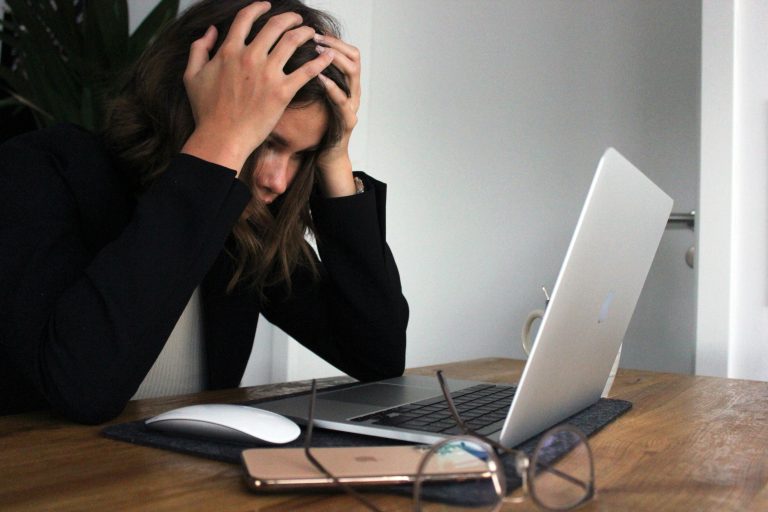
“I woke up feeling quite upset and worried about getting my midterm grades back, upcoming homework assignments, and the messy state of my room. I went to class without having time to clean my room or get breakfast. I went to class and got my midterm grade back. I got a D on my midterm and this sent me into a panic. I felt my heart rate increase, my head felt hot, and I couldn’t shake the feeling that everything was falling apart. I went home and spiraled, not wanting to go on with my day. I felt panicky and anxious for the rest of the day.”
- T – Temperature: I chose to take a cold shower, which helped me slow down my racing heart and reduce the intensity of the emotions. It was a nice immediate distraction from the circular thoughts I was having.
- I – Intense exercise: After the shower, I still felt like I could use more help. I put on some music
and went for a jog for 15 minutes. I played music I enjoyed and used up my body’s built up energy. I felt more physically relaxed afterwards and less jittery. - P – Paced breathing: I did five minutes of 4-7-8 breathing. I inhaled through my nose for 4 counts, held my breath for 7 counts, then released my breath through my mouth for a slow 8 counts. I repeated this for about 5 minutes.
- P – Progressive muscle relaxation: By step four, I already felt better doing the previous three. However, I sat comfortably and did a guided progressive muscle relaxation exercise. It had me tense at each part of my body, starting from the bottom to the top, then releasing the tensions and
focusing on the feeling of relaxation.
I feel like the TIPP technique really helped me not to feel more anxious and depressed, and I went on with my day.